
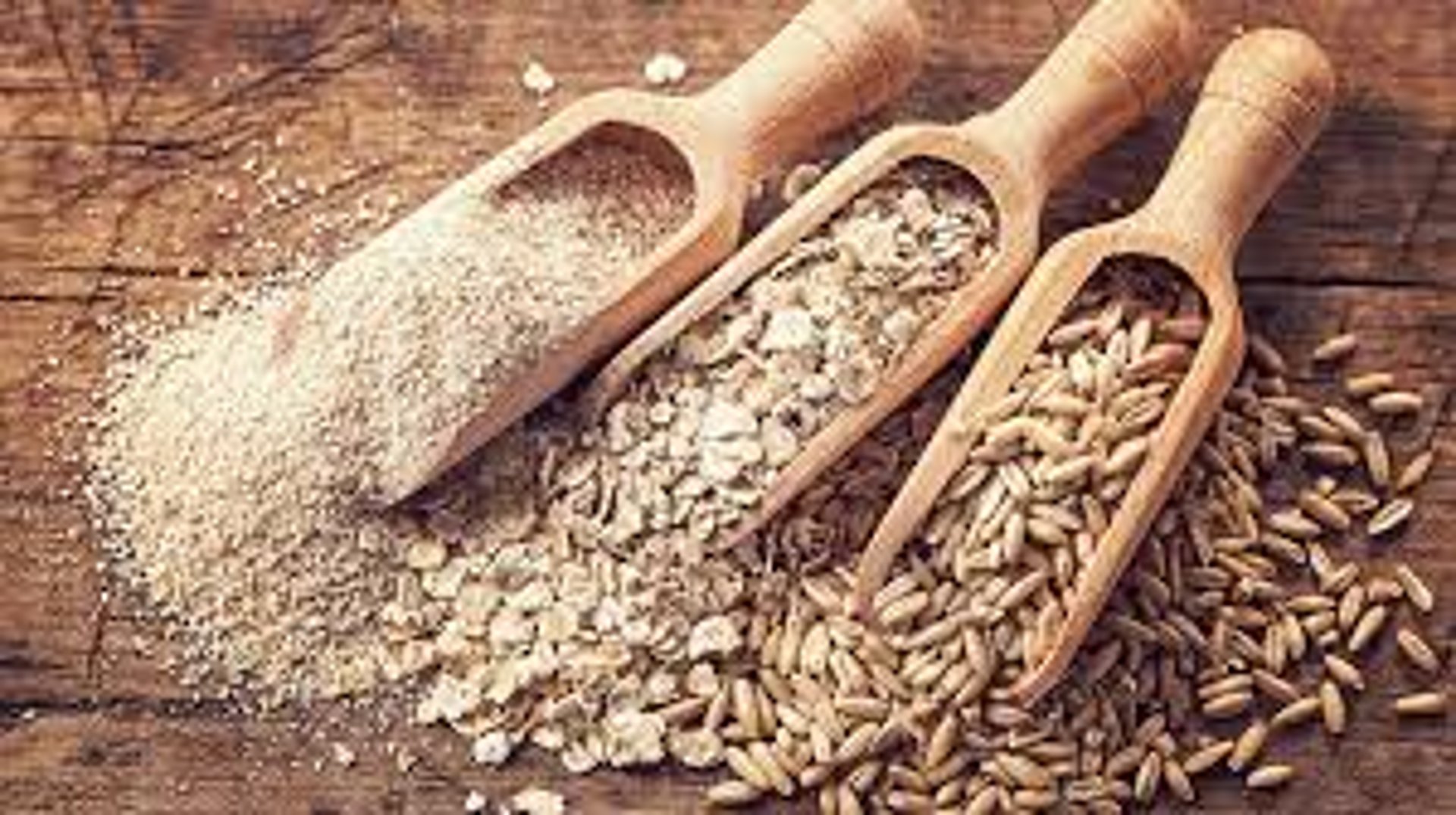
Whole grains Vs Processed foods, which is better for you
Plot twist: Carbs aren't the enemy—processed carbs are! Whole grains are packed with fiber, B vitamins, and minerals that your body actually needs. Don't fear the carb, just choose it wisely 🧠💪
1/23/20262 min read

Plot Twist: Carbs Aren't the Enemy -Processed Carbs Are!
For years, carbohydrates have been blamed for weight gain, diabetes, and poor health. Low-carb diets surged in popularity, and many people began viewing all carbs as something to avoid. But here's the plot twist: carbohydrates themselves aren't the problem. The real culprit is often highly processed carbohydrates.
In fact, whole-grain carbohydrates provide essential nutrients that support energy, digestion, heart health, and disease prevention. Rather than fearing carbs, it's time to learn how to choose them wisely.
Why Your Body Needs Carbohydrates
Carbohydrates are the body's preferred source of energy. They fuel the brain, muscles, and nervous system, helping you think clearly, stay active, and perform daily tasks.
According to dietary guidelines, carbohydrates should provide approximately 45–65% of total daily calories. The key is focusing on nutrient-dense carbohydrate sources rather than refined, heavily processed options.
Whole Grains: Nature's Nutrient Package
Whole grains contain all three parts of the grain kernel: the bran, germ, and endosperm. This means they retain valuable nutrients that are often removed during processing.
Whole grains provide:
Fiber that supports digestive health and promotes fullness
B vitamins that help convert food into energy
Iron for oxygen transport throughout the body
Magnesium for muscle and nerve function
Zinc for immune health
Phytonutrients and antioxidants that help protect cells from damage
The Difference Between Whole and Processed Carbs
Not all carbohydrates affect the body the same way.
Whole-Grain Carbohydrates
Rich in fiber and nutrients
Digested more slowly
Help maintain stable blood sugar levels
Promote satiety and digestive health
Examples of whole grains include:
Oats
Brown rice
Quinoa
Whole wheat
Barley
Bulgur
Farro
Popcorn (air-popped; without hydrogenated oils, excess sodium, and artificial flavorings)
Highly Processed Carbohydrates
Often stripped of fiber and nutrients
Digested quickly
Can cause rapid spikes and crashes in blood sugar
Are frequently high in added sugars, sodium, and unhealthy fats
Common examples include:
White bread
Pastries
Sugary cereals
Cookies
Cakes
Sweetened beverages
What the Research Shows
Large studies consistently demonstrate that higher whole-grain intake is associated with better health outcomes.
Research has linked regular whole-grain consumption to:
Lower risk of type 2 diabetes
Reduced risk of cardiovascular disease
Modestly lower LDL cholesterol
Better weight management
Lower risk of colorectal cancer
A dose-response meta-analysis of prospective studies published in The BMJ found that people who consumed the highest amounts of whole grains had significantly lower risks of cardiovascular disease, cancer, and overall mortality compared with those who consumed the least.
Whole grains are healthy because all their nutrients work together. They contain fiber, vitamins, minerals, and other natural plant compounds that help support good health. Scientists have found that eating whole grains is better than just adding extra fiber or vitamins to processed foods. That's because whole grains keep all their natural parts, which work together in ways that processed foods cannot. Simply put, a bowl of oatmeal gives you more health benefits than a refined grain product with added nutrients.
Smart Carb Swaps
Instead of eliminating carbohydrates, try upgrading them:
Instead of Choose
White bread 100% whole-wheat bread
White rice Brown rice or quinoa
Sugary cereal Oatmeal
Crackers made with refined flour Whole-grain crackers
Pastries Fruit with nuts or yogurt
Small changes can significantly improve nutrient intake without sacrificing satisfaction
The Bottom Line
Carbohydrates are not the enemy. In fact, whole-grain carbohydrates provide essential nutrients that your body needs to function and thrive.
The real issue isn't carbs, it's the overconsumption of highly processed, nutrient-poor carbohydrate foods. By choosing whole grains more often, you can enjoy the benefits of carbohydrates while supporting long-term health.
So the next time someone tells you to avoid carbs, remember the plot twist: don't fear the carb, choose it wisely.
References
Dietary Guidelines for Americans, 2025–2030.
Reynolds A, et al. Carbohydrate quality and human health: a series of systematic reviews and meta-analyses. The Lancet, 2019.
Aune D, et al. Whole grain consumption and risk of cardiovascular disease, cancer, and all-cause mortality. The BMJ, 2016.