Your blog post
Blog post description.
Preventive health and Nutrition
Preventive health through nutrition is one of the most powerful tools we have, yet it's often underestimated because the effects accumulate gradually over years.
The core idea: What you eat consistently shapes your long-term health outcomes. Many chronic diseases such as type 2 diabetes, heart disease, certain cancers, obesity, have strong dietary components and are far easier to prevent than reverse.
Key preventive nutrition principles:
Whole foods over processed: Minimally processed foods retain more nutrients and fiber, help regulate blood sugar, and tend to be more satiating. The difference between an apple and apple juice, or oats and a granola bar, matters more than most people realize.
Fiber is underrated: Most people get nowhere near the recommended 25-38g daily. Fiber feeds beneficial gut bacteria, regulates digestion, helps control blood sugar and cholesterol, and is linked to lower disease risk across the board.
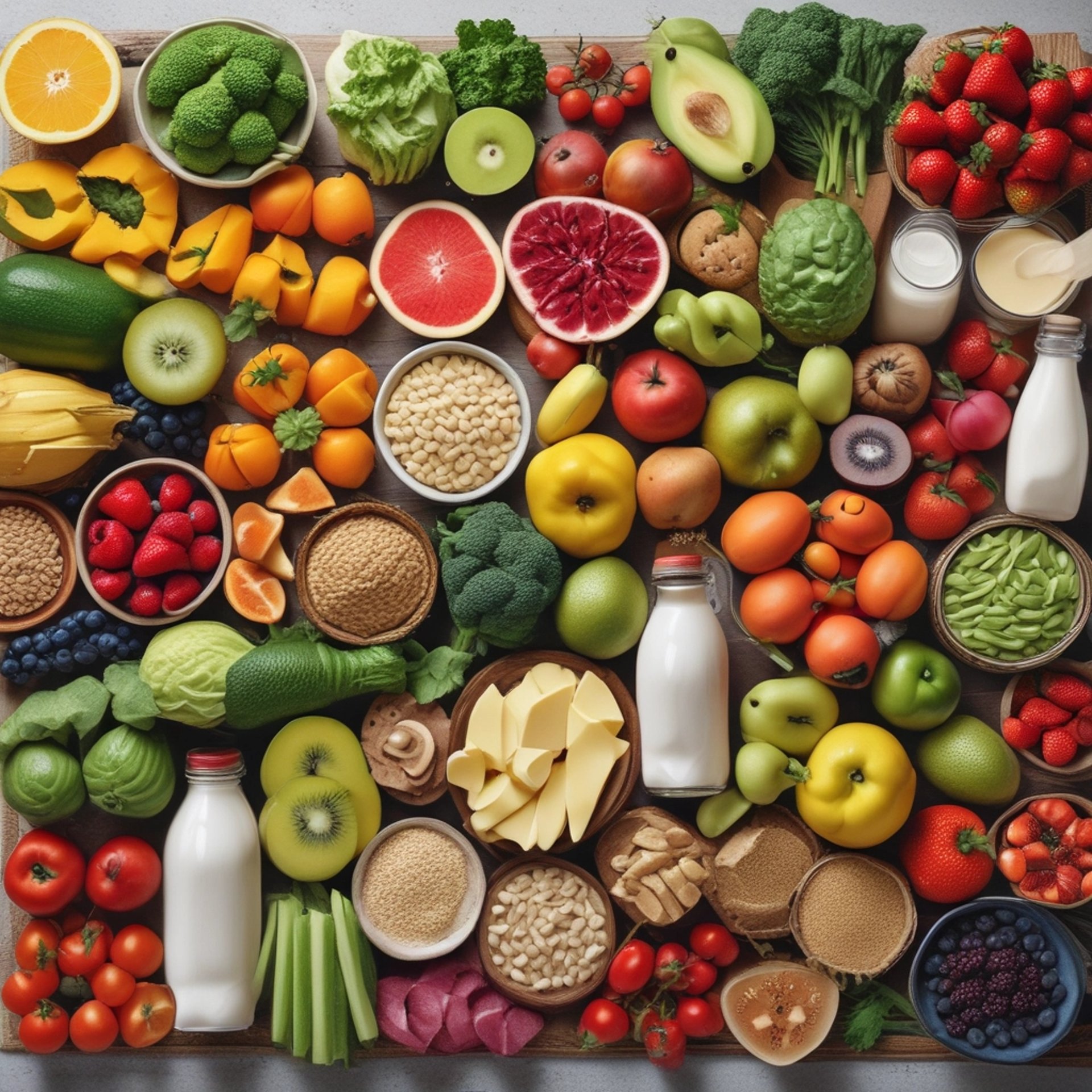
Colorful variety: Different colored fruits and vegetables contain different phytonutrients and antioxidants. Eating a rainbow ensures you're getting a broad spectrum of protective compounds.
Healthy fats matter: Omega-3s from fish, nuts, and seeds reduce inflammation. Replacing saturated fats with unsaturated fats (olive oil, avocados, nuts) benefits heart health.
Protein throughout the day: Adequate protein helps maintain muscle mass as we age, supports immune function, and helps with satiety. This becomes especially important after age 50.
Limit added sugars and excessive salt: These contribute to inflammation, high blood pressure, insulin resistance, and metabolic dysfunction when consumed in excess.
The timing advantage: Starting these habits early compounds benefits over decades. But it's never too late, even changing nutrition in your 50s or 60s can significantly impact health outcomes.
Are you looking to make specific changes to your diet, or exploring this more conceptually?